





























Gold prices rose on Monday, benefiting from a sharp drop in oil prices following the cessation of hostilities in the Middle East, which eased inflation fears, while investors awaited the Federal Reserve's expected monetary policy decision later in the week.
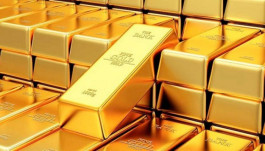
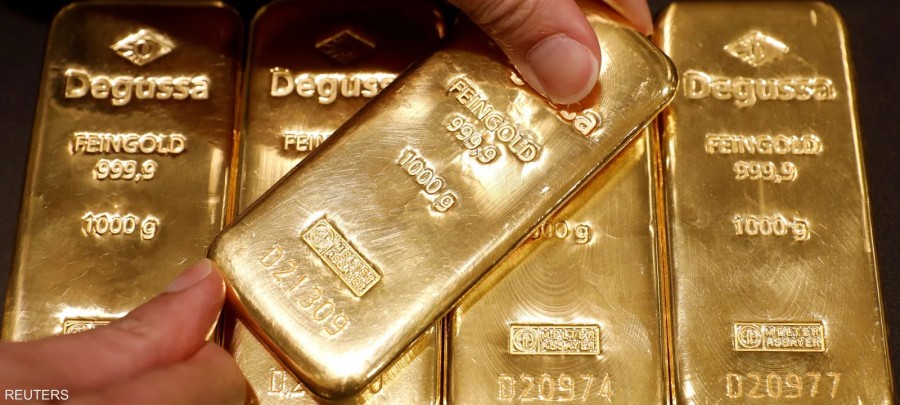
The price of gold in spot transactions rose by 0.9% to $4,087.79 an ounce, while US gold futures contracts rose by 0.5% to $4,089.90 an ounce.
Tim Waterer, chief market analyst at KCM Trade, said gold is currently benefiting from two key factors: falling oil prices and a weaker US dollar, which have provided strong support for the precious metal.
The US dollar index also fell by 0.3%, making gold and other dollar-denominated metals less expensive for investors holding other currencies, which boosted demand for them.
Middle East truce puts pressure on oil and eases inflation fears
These moves came after a senior Iranian official confirmed to Reuters on Sunday that Tehran would halt its attacks as long as the United States did the same.
In contrast, the United States suspended its military campaign after advisors to US President Donald Trump reported that the list of available military targets was running out, amid growing concerns about the depletion of US military stockpiles.
This development led to a drop in oil prices of more than 4% during the day, after they had recorded strong gains since the outbreak of the conflict earlier in the year.
The rise in oil prices has fueled inflation fears and reinforced expectations that central banks will raise interest rates, which has put pressure on gold in the past period.
Why did gold benefit from the decline in oil prices?
Although gold is traditionally seen as a hedge against inflation, rising interest rates reduce its appeal because it is a non-yielding asset, which increases the cost of holding it compared to assets that generate returns.
Waterer said he remains optimistic about gold's long-term prospects, but noted that the precious metal's near-term performance will remain largely tied to the direction of oil prices.
He added that the gold market will remain volatile in the coming period and will continue to be highly affected by geopolitical developments until conditions stabilize and a more sustainable peace agreement is established in the region.
All eyes are on the Federal Reserve's decision.
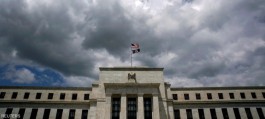
Investors are also awaiting the Federal Reserve meeting on July 28 and 29, amid widespread expectations that the US central bank will keep interest rates unchanged.
Conversely, market pricing indicates a 76% probability of the Fed raising interest rates at its September meeting, according to data from the CME Exchange's FedWatch tool.
As for other precious metals, spot silver prices rose 1.7% to $59.16 an ounce, platinum climbed 1.5% to $1,612.04 an ounce, and palladium rose 1.6% to $1,263.73 an ounce.