








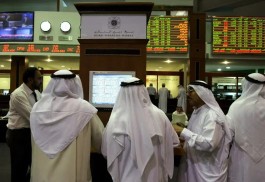

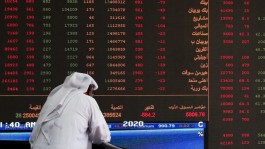


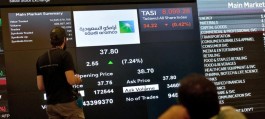

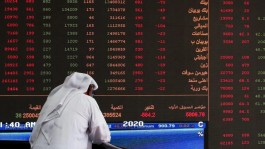

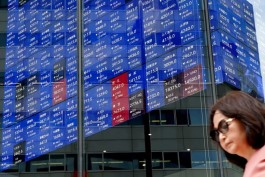













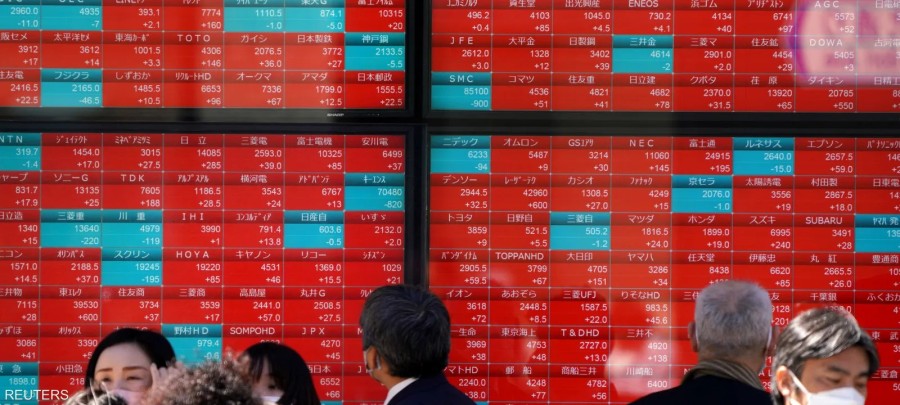


Asian stocks rose, and oil's three-day rally came to a halt, after President Donald Trump downplayed the likelihood of a prolonged conflict with Iran. The yen also strengthened.
Gains in Japan and South Korea helped MSCI's Asia Pacific index rise 1%. Chip-related stocks, including Renesas Electronics Corp. and Samsung Electronics, climbed after Broadcom Inc. predicted a surge in artificial intelligence chip sales over the next two years.
Early attention in Asia focused on the yen, which rose for a second session, reaching 157.82 against the dollar. The currency's gains kept traders on alert for further intervention by authorities. Also in Japan, the yield on 30-year government bonds fell 10 basis points to 4.065% ahead of a government bond sale.
Oil price decline boosts market sentiment
The positive tone was reinforced by Brent crude's halt to its three-day rally, trading slightly lower at around $95.50 a barrel. Oil prices fell after Trump said renewed attacks on Iran would likely be short-lived and reiterated his claim that the United States controls the Strait of Hormuz. The decline in crude eased pressure on Treasury bonds, which held onto gains from the previous session.
The improved sentiment followed a cautious start to September, when global bond yields jumped as renewed fighting in Iran pushed oil prices higher, fueling inflation concerns and bets on a Federal Reserve interest rate hike this month. With earnings season largely over, attention now turns to Friday's US jobs report for clues about the US economy and the outlook for monetary policy.
Jason Lowe, head of Asia Pacific equity derivatives strategy at BNP Paribas, said Asian stock markets were showing a moderate recovery from yesterday's sell-off, supported by a rebound in semiconductor and AI-related stocks, amid positive overnight guidance from US technology firms.
Elsewhere in the market, natural gas futures in Europe rose for a fourth day, heading for their highest close since early 2023. Base metals prices also rose, with copper in London trading at less than $300 a ton below its record high in January.
Bond yields await jobs data
The Bloomberg dollar index fell for the second day. The 10-year Treasury yield was little changed after tensions in the Middle East triggered a global bond sell-off earlier this week.
Yields on the 10-year US Treasury note are holding steady around 4.78%, as investors await initial jobless claims data due later on Thursday. The ongoing trade war with Iran is also fueling inflation concerns, keeping investors cautious about bonds.
“You have these many unresolved issues, many unresolved conflicts, and, most importantly, no clear timeline for resolution anywhere,” wrote Natalia Loevsky, managing director at CIFC Asset Management, in a memo.
She said: Investors need to be cautious when entering the market, adding that higher returns eventually become a painful experience for stocks.
The yen puts traders on alert.
In Asia, the sharp rise in the yen during the New York session kept traders on alert, looking for signs of further action by Japanese authorities to support the currency.
Mark Cranfield, Markets Live strategist at Bloomberg, said the dollar briefly fell below 158 yen against the yen, as interest rate traders began pricing in a rate hike of more than 25 basis points at the Bank of Japan’s next meeting.
The yen began to rise on Wednesday after a member of the Bank of Japan's board raised the possibility of large or successive interest rate hikes. The unexpected move reverberated through the New York currency market, which sees a daily turnover of $9.5 trillion.
Nick Tweedel, senior market analyst at AT Global Markets, wrote: “There has been no confirmation of official intervention, but the speed of the move is likely to keep traders focused on the possibility of action by Japanese authorities if the yen’s rise accelerates further.”