



















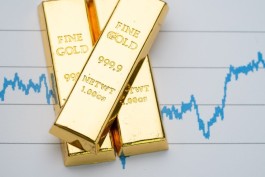











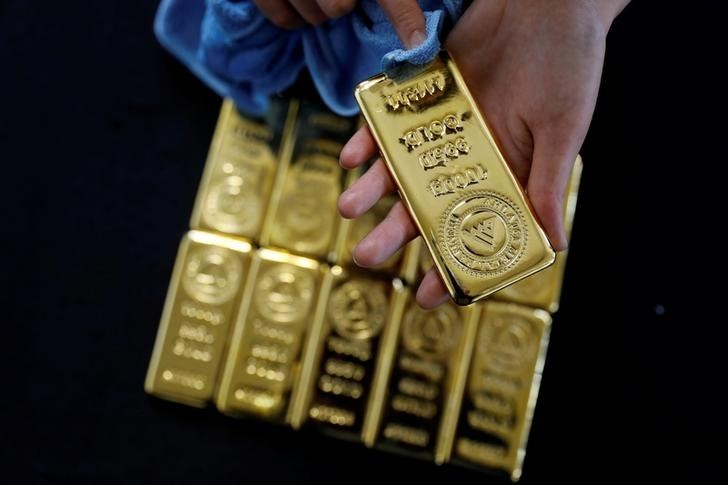


Gold prices fell, giving up most of their gains from the previous session, as the market monitored progress in the ceasefire between the United States and Iran.
The price of the precious metal fluctuated between gains and losses, before falling back to around $4,538 an ounce.
President Donald Trump said on Monday that he had authorized a new wave of attacks against Iran this week, but postponed them after three Gulf allies asked for more time to negotiate a nuclear deal.
Trump said that the leaders of Saudi Arabia, the UAE and Qatar asked him to postpone because they believe they can reach an agreement with Iran that is acceptable to the United States.
Earlier, the White House said that a proposal delivered by Iran through Pakistani intermediaries on Sunday lacked tangible improvement, according to Axios.
Gold caught between Iran's de-escalation and yield pressures
Treasury yields hovered near multi-year highs as persistently high energy prices continued to fuel inflation fears. This diminishes the appeal of gold, which does not offer a yield. Meanwhile, the dollar index rose 0.2%, making gold more expensive for many buyers.
Gold has traded in a narrow range since its sharp decline in the early days of the war, as the prospect of monetary easing due to growth concerns has eased inflationary worries. The precious metal has fallen by about 14% since the war began.
Vasu Menon, a strategist at Overseas Chinese Banking Corp., said that liquidity in relation to the situation in the Middle East, along with oil prices and bond yields, could continue to put pressure on gold in the short term.
He added: We continue to view gold as a useful hedge against global uncertainty, given the major political and economic changes taking place globally, which appear poised to gain momentum in the coming years.
In the latest trading, spot gold fell 0.7% to $4,536.52 an ounce at 1:35 p.m. in Singapore, while silver dropped 2% to $75.80, and platinum and palladium also declined.