

























Gold prices edged lower on Monday, July 20, as investors assessed the escalation in the Middle East that pushed oil prices to their highest level in more than a month, keeping interest rate hike expectations alive.
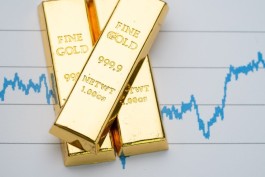
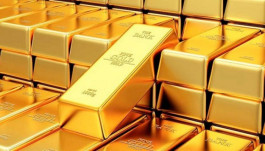
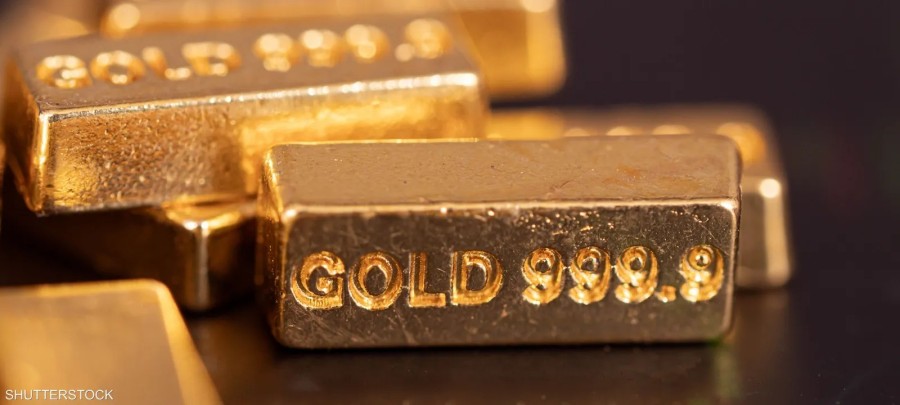
In trading, gold futures fell by about 0.1% to $4,013.2 per ounce, while the spot price of the yellow metal also declined by 0.3% to $4,006.33 per ounce.
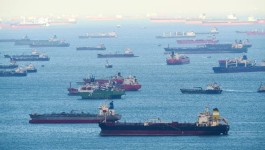
Oil prices jumped more than 3% after U.S. forces launched attacks on Iran for the ninth consecutive day on Monday, with the confirmed death toll of U.S. military personnel in the renewed fighting rising to three, and concerns growing about shipping through the Strait of Hormuz.
The US Central Command announces the end of the ninth round of attacks on Iran, which targeted Iranian military command centers, air defenses, coastal surveillance sites, and naval capabilities.
Meanwhile, the Kuwaiti Army General Staff announced a short while ago that air defenses are currently engaging drone attacks…
Cleveland Federal Reserve President Beth Hammack joined a growing number of policymakers who believe interest rates may need to be raised to combat persistent inflation, setting the stage for a charged debate at the Fed's next meeting on July 29.
According to the CME Group's FedWatch tool, traders now expect an 82% probability of an interest rate hike in December, compared to 73% last week.
“The war is still ongoing, with the focus on rising oil prices which could lead to higher inflation, keeping gold under pressure,” said Brian Lan, a director at GoldSilver Central, in a note quoted by Reuters.
He went on to say that despite this, $4,000 represents an important level, and there is support for the metal when it falls below this level.
Rising oil prices are fueling inflation fears and expectations of longer-term interest rate hikes. Gold is typically considered a hedge against inflation, but higher interest rates increase the opportunity cost of holding this non-yielding asset.