





















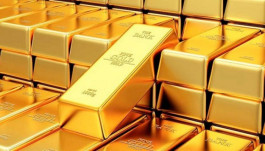



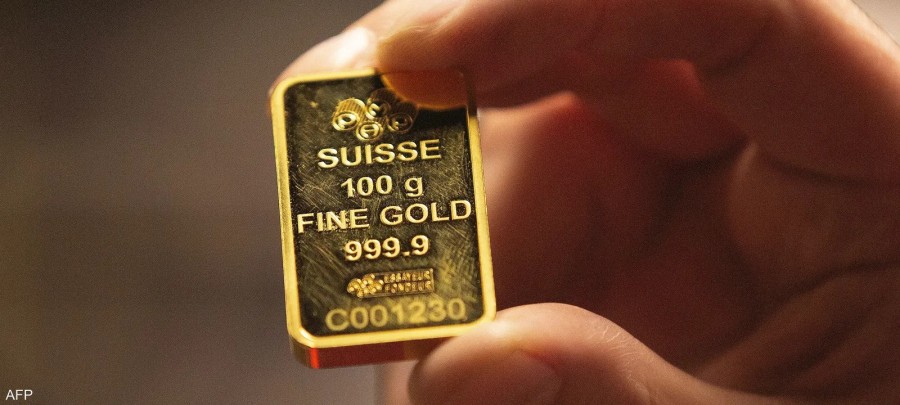


Gold prices rose slightly during trading on Tuesday, as investors weighed conflicting signals about the prospects for a resumption of talks between the United States and Iran against a series of U.S. labor market data that could provide crucial clues about the future path of U.S. interest rates.
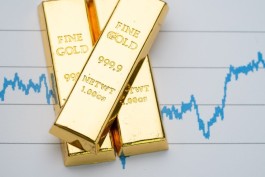
Spot gold rose 0.2% to $4,061.96 an ounce, while U.S. gold futures climbed 0.7% to $4,118.30 an ounce.
This performance comes amid a climate of caution in the markets, as investors await to see whether upcoming economic data will support the continuation of the current monetary policy or push the Federal Reserve towards further tightening.
US jobs data in focus
This week, markets are focused on a set of important US labor market data releases, which are seen as one of the most influential factors in the Federal Reserve's decisions.
US job openings data is due later today, followed by the ADP employment report on Wednesday, and then the highly anticipated monthly non-farm payrolls report on Friday.
Ajay Kedia, director of Kedia Commodities in Mumbai, said that gold is currently going through a phase of sideways movement or what is known as a consolidation phase.
He added that if US labor market data shows signs of weakness, the dollar could come under pressure, which would give gold a new upward boost.
US-Iranian talks increase uncertainty
On the geopolitical front, US President Donald Trump announced that talks with Iran were underway, warning that this could be Tehran’s last chance to reach a suitable agreement.
But Iran was quick to deny these statements, asserting that there are no ongoing or even planned negotiations with the United States.
The continued uncertainty about the future of relations between the two countries has kept markets on edge, especially given the link between this crisis and energy markets and global inflation.
Investors believe that any diplomatic progress could ease pressure on oil markets, while any new escalation could reignite supply concerns and price hikes.
Inflation and interest rates determine the path of gold.
The conflict in the Middle East has contributed to higher energy costs and heightened concerns about inflation, which may prompt central banks to maintain tight monetary policies or even raise interest rates to counter price pressures.
Although gold is traditionally considered a hedge against inflation, rising interest rates reduce its appeal because it is a non-yielding asset.
Market pricing currently indicates a probability of about 65% that the Federal Reserve will raise interest rates at its September meeting, after the central bank decided at its last meeting to keep interest rates unchanged amid a split among its members.
Ajay Kedia believes that the decline in expectations of an interest rate hike during September will be a supporting factor for gold prices, as it will alleviate the pressures resulting from rising yields and the dollar.
Federal Reserve officials maintain a cautious approach.
For his part, the president of the Federal Reserve Bank of New York, John Williams, confirmed that he remains optimistic that inflationary pressures could gradually decline in the coming period.
But he stressed at the same time that the Federal Reserve would not hesitate to raise interest rates if data showed inflation remaining at high levels or price pressures accelerating again.
These statements reflect the central bank’s continued approach of relying entirely on economic data before making any new monetary policy decisions.
City expects a temporary dip before a new upward surge
In a research note, Citibank predicted that gold prices would move sideways, or possibly decline slightly, over the next month, before starting a new upward trend.
The bank predicts that gold will reach around $4,500 an ounce during the fourth quarter of this year, before continuing its rise to $5,000 during the first half of next year.
In other precious metals, spot silver rose 1.2% to $58.88 an ounce, platinum climbed 1.3% to $1,648.97, and palladium gained 1.1% to $1,278.38 an ounce.