















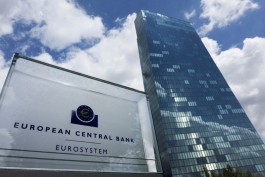














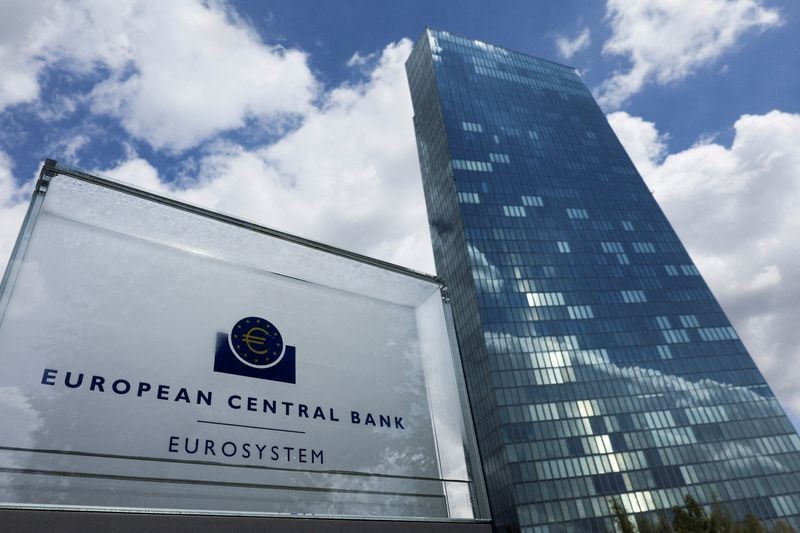


The European Central Bank is poised to raise interest rates for the second time next week, a move that appears almost certain, highlighting how prepared monetary policymakers are to take a third step later in the year.
A widely anticipated quarter-point interest rate hike on Thursday is expected to confirm the European Central Bank's position as the most hawkish central bank among the G7 nations, suggesting that the debate is already turning to whether another (third) hike is needed.
Monetary policymakers, just returning from their long summer break and armed with fresh quarterly forecasts, are making their long-awaited decision amid continued fighting in the Middle East and renewed fuel price hikes in a region that remains heavily dependent on energy imports.
Inflation accelerated in the Eurozone
Recent data showed that inflation in the Eurozone rose to 3.3% in August, the fastest pace in nearly three years and clearly above the target level of 2%.
Unlike the US Federal Reserve, whose relatively dovish outlook on inflation may be tested by upcoming consumer price data next week, the European Central Bank has been clear about the need for proactive monetary tightening. Indicators of robust growth may support this stance.
However, recent inflation data from the eurozone offered some relief, as the so-called core inflation rate slowed unexpectedly. But monetary policymakers appear unwilling to take risks, particularly after facing criticism for their delayed response to the cost-of-living shock of 2022.
The debate over a third interest rate hike may be very close. While Lithuanian central bank governor Gediminas Simkus suggested that the September increase would not be enough, German central bank president Joachim Nagel was cautious about giving any indications.
A third interest rate hike?
Investors are largely pricing in an interest rate hike in December, even though most economists had predicted that Thursday's increase would be the last for now. However, this consensus is showing signs of shifting, with analysts at JPMorgan, Societe Generale, and BNP Paribas all revising their forecasts in recent days to anticipate such a move.
Bloomberg Economics experts' opinion:
Having already signaled a likely interest rate hike this week, the Governing Council’s hints about the next move will likely garner the most attention. With renewed volatility in oil markets and a sharp rise in gas prices, hawks will undoubtedly push for another increase in December. However, tighter financial conditions and limited indications of the spillover effects of the energy shock present significant obstacles.