













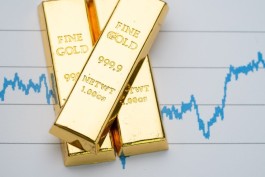












Gold is setting the stage for an exceptional end to 2026, with major financial institutions like Goldman Sachs predicting a massive price surge to $4,900 per ounce by year's end. This positive outlook is not merely market speculation; it is based on a significant structural shift in global reserve management and rapidly changing macroeconomic landscapes.
The primary driver behind this surge is the robust and sustained buying by global central banks. After averaging just 17 tons per month before 2022, central banks are now projected to accumulate around 50 tons per month throughout 2026. In June alone, sovereign purchases jumped to an estimated 100 tons, led by China. This ongoing trend underscores a deliberate move by countries to diversify their reserves and safeguard their sovereign wealth from escalating geopolitical and financial risks.
Adding to the momentum of this rally is a significant shift in expectations regarding US monetary policy. Investor demand, which had a sluggish start to the year, has begun to rebound strongly. With inflation rates declining, markets have begun to discount the likelihood of the Federal Reserve raising interest rates for the remainder of 2026. This easing of pressure from the Fed makes non-yielding assets, such as gold, more attractive for investment.
However, the path to the $4,900 level is likely to be volatile, driven by the booming derivatives market. There is increasing demand for gold call options as investors seek to hedge against significant shifts in government policy. When gold prices rise and approach key strike levels, options dealers are forced to buy gold to cover their short positions, artificially accelerating the upward trend. Conversely, if prices decline, they will rush to liquidate their holdings to reverse those hedges, potentially amplifying any downward correction and creating extreme volatility in both directions.
Despite potential market volatility, the medium-term fundamental outlook remains very strong. Gold still holds a surprisingly low share in private investment portfolios. As broader geopolitical tensions continue to escalate—particularly those related to Iran and other global hotspots—private investors are expected to follow central banks' lead in hedging against Western financial instability. Considering the intensity of derivatives trading, the $4,900 target may be a conservative floor for what the yellow metal will achieve.