














The US State Department announced a 45-day extension of the ceasefire agreement between Israel and Lebanon, following what were described as highly productive negotiations held in Washington.
Despite this positive diplomatic development for Lebanon, the conflict in the Middle East region remains at a standstill amid a state of geopolitical stalemate.
High-level bilateral meetings between US President Donald Trump and his Chinese counterpart Xi Jinping in Beijing concluded without a clear roadmap to end the trade war, dashing hopes for an immediate solution and triggering a new wave of volatility in global energy markets.
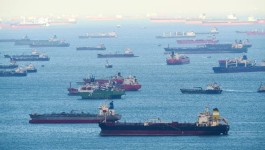
Following the conclusion of the 48-hour summit, President Trump confirmed that the two superpowers had explicitly agreed on the need to prevent Iran from acquiring nuclear weapons, emphasizing their shared desire to keep the Strait of Hormuz open to navigation.
However, the absence of a formal joint peace framework reveals the depth of the existing disagreements between the two countries regarding the stability of the region.
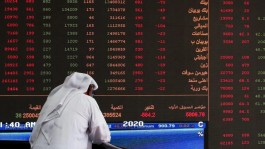
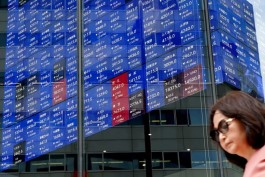
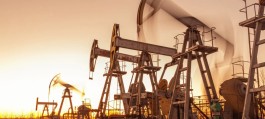
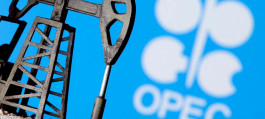
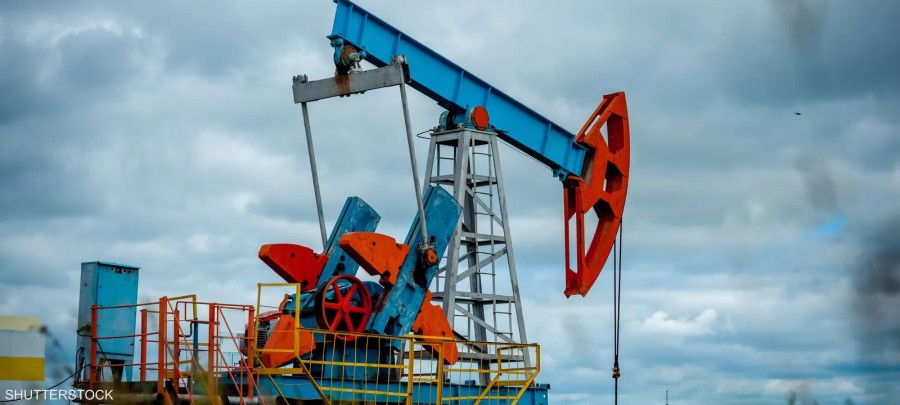
This diplomatic stalemate was immediately reflected in commodity markets, with global crude oil prices jumping by about 3% to approach $109.00 a barrel, amid rising fears of supply disruptions.
Meanwhile, direct diplomatic efforts between Washington and Tehran reached a dead end. In remarks to reporters aboard Air Force One during his return flight from China, President Trump revealed that he had rejected a peace proposal put forward by Iran.
Trump said, If I don't like the first line, I'll throw it out, explaining that the document contained clauses the US administration considered completely non-negotiable. He added, If it contains anything related to nuclear weapons, I won't read the rest.
This rejectionist stance coincided with a statement by the Iranian Foreign Minister, in which he declared that he had no confidence in the current US administration to mediate a fair peace agreement.
The collapse of negotiations over the broader conflict has overshadowed the temporary stability that had prevailed on the Israeli-Lebanese border. While diplomatic channels remain open, military pressure on the ground continues to challenge existing containment frameworks.
Israeli airstrikes on southern Lebanon resulted in a number of casualties, including a strike on a civil defense center in Harouf that killed three paramedics. In response, Hezbollah launched dozens of counterattacks against Israeli troop concentrations using drones and artillery.
As the region prepares to face a climate of prolonged maritime tension, international investors are closely monitoring the security of critical infrastructure in the Arabian Gulf region, including vital undersea fiber optic communication cables.