
























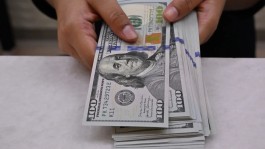











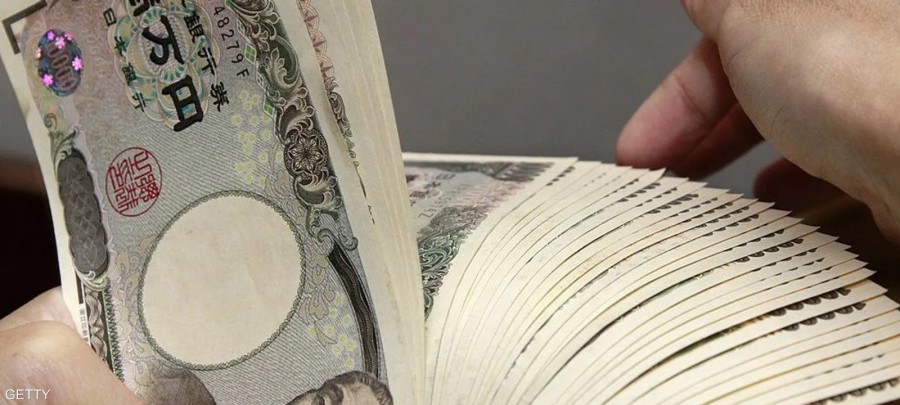


The Japanese yen rose in Asian trading on Wednesday against a basket of major and minor currencies, resuming gains that had paused the previous day against the US dollar, and moving upwards towards its highest level in three months.
This rise comes amid close monitoring by monetary authorities in Japan and the United States, following recent rounds of intervention aimed at supporting the yen and limiting exchange rate market volatility.
With global oil prices falling, inflationary pressures on monetary policymakers at the Bank of Japan are easing, reducing the likelihood of an interest rate hike at the upcoming September meeting, pending further data and evidence that will clarify the path of Japanese monetary policy normalization for the remainder of the year.
Price overview
Today's Japanese Yen exchange rate: The dollar fell against the yen by 0.25% to (157.30¥), from today's opening price of (157.70¥), and recorded a high of (157.81¥).
The yen ended Tuesday's trading down 0.35% against the dollar, its first loss in the last five days, due to profit-taking and corrective activity from a three-month high of 155.23 yen.
US dollar
The dollar index fell 0.1% on Wednesday, extending its losses for the second consecutive session, reflecting the continued decline in the US currency against a basket of global currencies.
This decline comes amid improved sentiment in global markets, fueled by media reports indicating that the United States and Iran are close to reaching an agreement that includes the full reopening of the Strait of Hormuz to international shipping.
global oil prices
Oil prices fell more than 0.5% on Wednesday, deepening their losses for the second day in a row and hitting their lowest level in three weeks, thanks to easing concerns about the safety of global supplies as the Strait of Hormuz nears reopening and military strikes between the United States and Iran cease.
There is no doubt that the decline in global oil prices reduces fears of accelerating inflation, which supports the hypothesis that central banks will keep monetary policy tools unchanged for a long time this year.
Developments in the Iranian war
The United States and Iran are nearing the signing of a temporary agreement, brokered by the Sultanate of Oman, to reopen the Strait of Hormuz and ensure the flow of energy supplies.
Both Washington and Doha announced progress in mediation efforts, with proposals continuing to be exchanged between mediators and Iran.
Tehran confirmed that talks with Oman regarding navigation in the Strait of Hormuz are progressing, but denied that there are direct negotiations with the United States.
Reports: Iran is considering allowing Europe to remove mines in the Strait of Hormuz.
Most forecasts indicate that an understanding could be reached to de-escalate the crisis and reopen navigation in the Strait of Hormuz either today, Wednesday, or tomorrow, Thursday.
US President Donald Trump described the current talks as Tehran's last chance to reach a settlement that would end the five-month-long conflict.
Iranian President Masoud Pezeshkian announced that his country is defending its borders and is not seeking to expand the scope of the war.
Monetary authorities
The rise in the Japanese yen during today's trading reflects the continued impact of recent rounds of intervention in the foreign exchange market, which comes at a time when monetary authorities in Japan and the United States continue to closely monitor the yen's movements, with growing expectations that additional measures could be taken if excessive volatility returns to the markets.
U.S. Treasury Secretary Scott Bisent affirmed on Tuesday that the United States will do whatever is necessary to support Japan's efforts to stabilize its currency market and strengthen the yen. In an interview with Japanese broadcaster NHK, he also expressed confidence that Bank of Japan Governor Kazuo Ueda will take the best course of action to support the Japanese economy.
These remarks followed a series of statements by Bessent calling for an increase in interest rates in Japan, which has increased expectations that the Bank of Japan will raise interest rates at its September meeting.
Japanese interest rate
The pricing of the probability that the Bank of Japan will raise interest rates by a quarter of a percentage point at its September meeting has fallen below 80%.
In order to reprice those probabilities, investors are awaiting further data on inflation, unemployment and wage levels in Japan.