






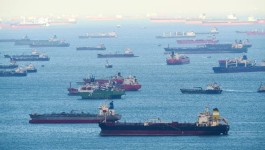















European natural gas prices fell sharply on Wednesday, moving away from five-month highs, as reports of a possible truce agreement between the United States and Iran and talks on navigation through the Strait of Hormuz triggered a broad sell-off in global energy markets.
Dutch benchmark gas futures for next month fell by 3%, while British wholesale gas futures also saw a similar 3% decline. This sharp drop breaks a weeks-long rally that had pushed European gas prices to their highest levels since mid-March, fueled by concerns about disruptions to Qatari liquefied natural gas (LNG) shipments and a significant shortfall in storage capacity.
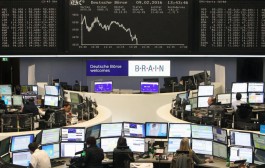
Trading firms have liquidated geopolitical risk premiums following a parallel collapse in global crude oil prices, with Brent crude falling by more than 2.50% to settle at around $86.00 a barrel after two consecutive sessions of sharp selling pressure.
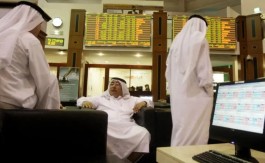
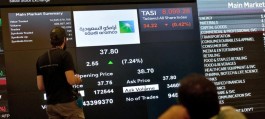
Shipping talks in the Strait of Hormuz trigger a sell-off in energy stocks.
The main driver behind the sharp decline in European gas markets was a wave of encouraging diplomatic signals coming from the Middle East.
Energy bureaus reacted to reports indicating that the United States and Iran are close to reaching a temporary truce agreement brokered by regional partners, which includes explicit commitments to ensure freedom of commercial navigation through the Strait of Hormuz.
This trend was reinforced by official assurances from Iranian and Omani representatives that bilateral talks had resumed with the aim of securing and managing this strategic sea corridor.
The prospect of resuming liquefied natural gas flows through the Arabian Gulf overshadowed Washington's formal announcement earlier in the week of tightened economic sanctions, reassuring European industrial buyers that actual supply channels could be reopened before the peak winter heating demand.
While Wednesday’s 3% drop offers some immediate relief to continental utilities, European gas storage levels continue to lag behind historical norms.
Data on European gas infrastructure shows that underground storage facilities across the continent are operating at approximately 62% of their capacity, a significant shortfall compared to the normal five-year seasonal average of around 79%. Increased summer electricity demand for cooling, coupled with disruptions to the delivery of spot LNG shipments, has severely constrained seasonal pumping rates.
Because the futures price curve remains in a sharp downward trend, utilities face significant risks in holding expensive spot gas. Consequently, energy trading desks expect wholesale gas contracts to remain highly sensitive to any friction around the Strait of Hormuz as the market approaches the fall heating season.