









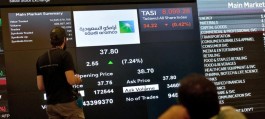




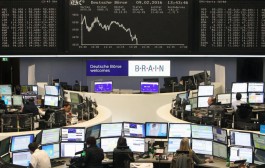
















European shares fell on Monday, with the pan-European STOXX 600 index down 0.1%, as escalating military tensions in the Middle East pushed crude oil prices above $90.00 a barrel, while a sharp repricing of expectations for a US interest rate hike set the start of a risky week on macroeconomic data.
The gains of major energy companies were unable to offset the widespread sell-off that swept across continental markets, as trading tables grappled with rising geopolitical risk premiums and higher interest rate trajectories on both sides of the Atlantic.
This climate of risk aversion followed the direct military confrontations between the United States and Iran over the weekend, along with a hardening shift in global bond markets, after Federal Reserve Chairman Kevin Warsh warned at the Jackson Hole conference that policymakers still needed to do more to curb inflation.
Strikes in the Middle East push oil above $90.00
Crude oil futures jumped nearly 3% to trade near $90.60 a barrel after US forces launched airstrikes targeting two Iranian missile launch sites on Larak Island in the Strait of Hormuz. In response, Iranian forces targeted US military sites in Jordan.
This military clash ended a brief lull in hostilities and diminished hopes for an immediate diplomatic solution to secure commercial shipping through this strategic waterway. The sharp rise in oil prices reignited concerns about inflation stemming from increased costs in European industrial sectors, even as it provided temporary relief to major integrated energy companies.
The probability of a Federal Reserve interest rate hike rises to 60% ahead of a heavy week of US data.
Alongside friction in energy markets, equity valuations came under additional pressure as financial markets recalibrated the trajectory of central bank interest rates. Fed futures are now pricing in a 60% probability of a 25-basis-point rate hike at the Fed meeting scheduled for September 16, a sharp increase from the 35% implied before Warsh's speech.
Trading tables expect pricing to remain elevated in the run-up to the Federal Open Market Committee (FOMC) meeting in mid-September, with US labor market data and ISM survey data due this week keeping the likelihood of a September rate hike alive, pending the crucial August Consumer Price Index report due on 11/09.
The JOLTS report for July, due Tuesday, is expected to reinforce the picture of declining employment and reduced layoffs, followed by the ADP private payroll report for August on Wednesday, and then the crucial non-farm payrolls (NFP) report on Friday, which is expected to show a recovery in employment.
The speeches of Federal Reserve members Michael Barr on Tuesday and Christopher Waller on Thursday will be carefully analyzed to determine whether Warsh's hawkish stance enjoys broad support among voting members.
The European Central Bank's anticipated decision
Across the Atlantic, European debt and equity tables are gearing up for the Eurozone inflation data due later this week.
The release of the regional consumer price index is expected to confirm continued underlying price pressures, which will reinforce market expectations that the European Central Bank will raise interest rates by an additional 25 basis points when its Governing Council meets next week on 10/09.
advertisement
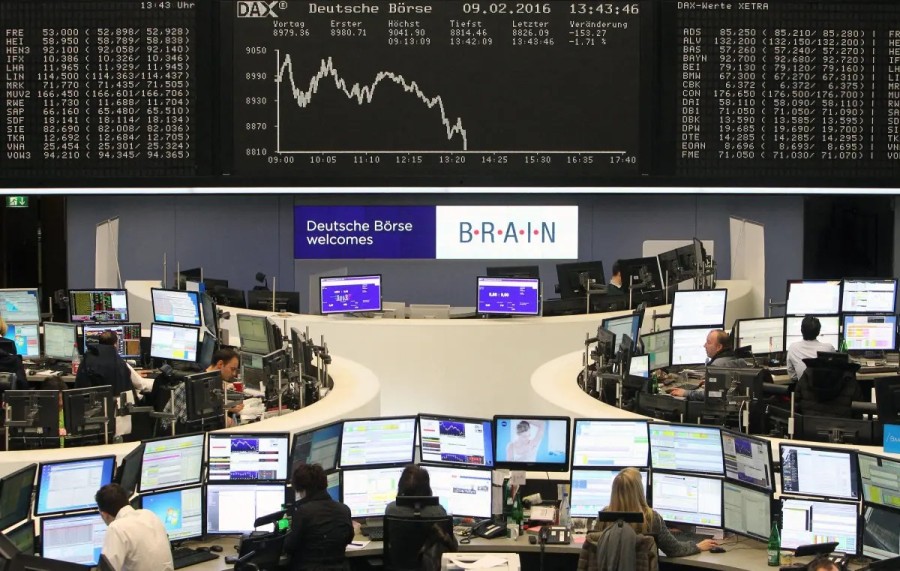
In regional markets, Germany’s DAX index fell by 0.5%, while France’s CAC 40 index rose by 0.1%.
London's markets were closed for a public holiday.