








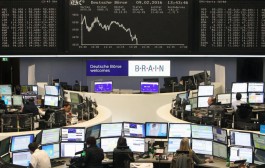

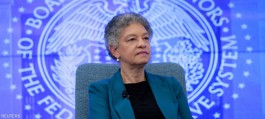





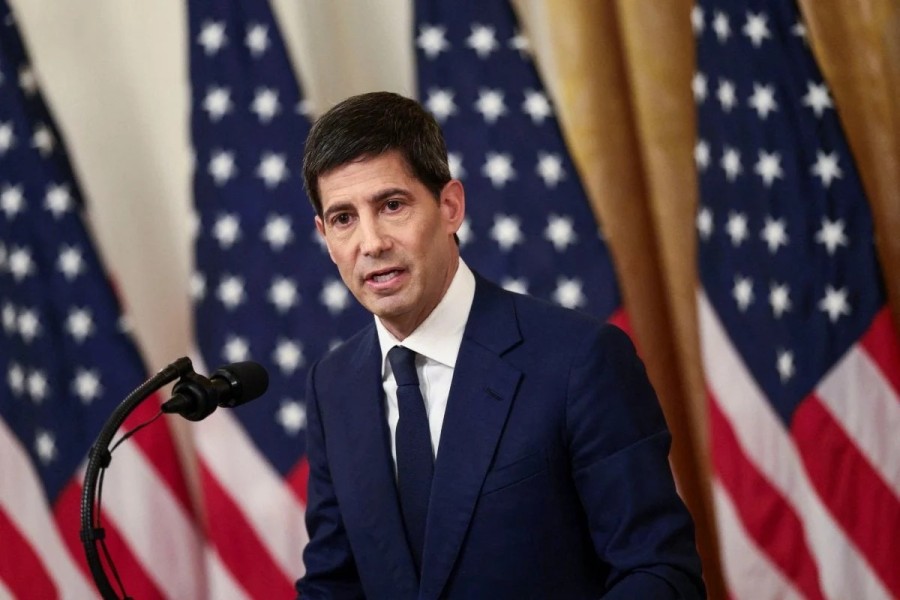


Investors on Friday welcomed new Federal Reserve Chairman Kevin Warsh's confirmation of his intention to curb high inflation, but many Wall Street traders remained uncertain about how the U.S. central bank would respond to economic changes in the coming months.
In a long-awaited speech, Warsh said the central bank “will have work to do” if policymakers are not confident that core inflation will return to its 2% target.
He also noted that financial conditions did not appear constrained, and came closer than ever to acknowledging the possibility that interest rates might need to be raised to reduce price pressures.
Since taking over as Fed chairman several months ago, Warsh has made it clear that he intends to reduce the central bank's communications, including no longer signaling the path of interest rates through forward guidance, a position he reaffirmed on Friday.
But investors had hoped that Warsh's speech at the Jackson Hole symposium in Wyoming would carry enough weight to bolster confidence in his leadership and the Fed's commitment to controlling inflation, according to Reuters.
Investors said Warsh caused confusion in the markets and raised doubts about his credibility in dealing with inflation, partly because he suggested during last month's monetary policy meeting that higher bond yields, through tighter financial conditions, might reduce pressure on the Fed to raise interest rates.
“Warsh was certainly clearer than he was in July,” said Phil Blancato, chief market strategist at OSAIC. “We now have a better understanding of where he wants to take inflation, but we still have relatively limited guidance on the mix of inflation and labor market data that will prompt the Fed to act.”
A harsh reaction to Warsh's statements
Market movements showed a hawkish reading of Warsh's word, as the yield on two-year US Treasury notes, which usually moves in tandem with the Fed's interest rate expectations, rose to 4.34%, its highest level in a month.
The yield on the benchmark 30-year US Treasury note remained largely unchanged at 5.19%. This long-term yield had recently climbed to its highest level in nearly 20 years, raising concerns among investors ahead of Warsh's speech.
Cyrus Amini, chief investment officer at Haven Wealth Management, said Warsh's remarks should calm some of the anxiety in the bond market, as he provided a clear picture of the Fed's stance on inflation and the need to bring it down to its target quickly enough.
Raising interest rates
Inflation has remained above the Federal Reserve's 2% annual target for several years, and data released this week showed the personal consumption expenditures price index, which the Fed uses to determine its inflation target, rose 3.7% in the 12 months ending in July.
Federal funds futures contracts on Friday indicated a 57% probability of an interest rate hike at the next meeting in September, up from 35% just before Warsh's speech, according to LSEG data.
Chris Ganster, head of fixed income at Fidelis Capital, said: Warsh was more hawkish than the markets expected.
However, not all investors were convinced that a September interest rate hike was a foregone conclusion. Warsh had already begun planning for potential changes at the Federal Reserve, forming task forces to review areas including the central bank's use of its balance sheet, the data it relies on, and its framework for dealing with inflation.
Investors are now turning their attention to the monetary policy path, with important US economic data due, starting with the monthly jobs report next Friday, followed by the consumer price index report the following week.