








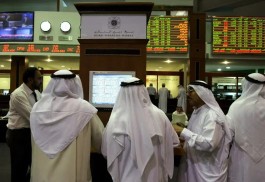









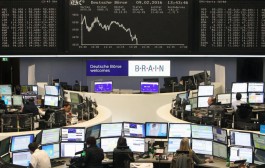















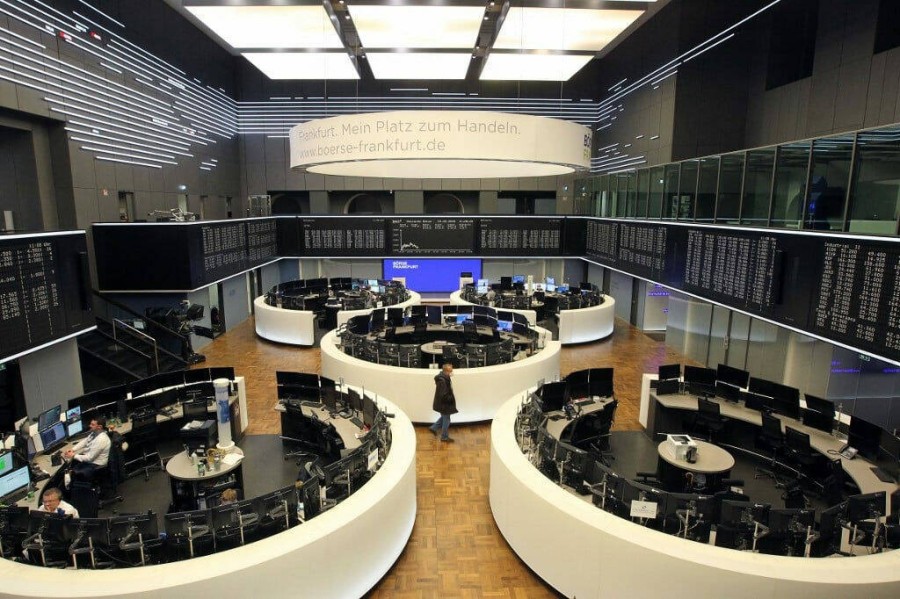


European stocks held steady on Tuesday, as a sharp sell-off in global bond markets, coupled with escalating military tensions in the Middle East, dampened appetite for riskier assets.
The pan-European STOXX 600 index was almost completely unchanged, while Germany’s DAX index fell by 0.60%, France’s CAC 40 index rose by 0.10%, and Britain’s FTSE 100 index declined by 0.40%.
The broad sell-off in European stock markets overshadowed gains in the energy sector, as trading tables grappled with rising sovereign borrowing costs, inflation fears driven by higher costs, and anticipation of key economic data releases later in the day.
The global bond sell-off accelerates as Japanese bond yields hit historic highs.
The sell-off centered around a historic move in Asia, where the yield on Japan’s 10-year government bonds jumped to its highest level in a generation.
The sharp rise in Japanese yields triggered a global repricing of interest rate curves, lifting yields on US Treasury bonds and European sovereign bonds, as investors demanded higher term premiums amid persistent inflation fears and massive debt issuances.
High yields hit interest rate-sensitive sectors hard – including high-yield technology, real estate and utilities – across European trading floors, as higher discount rates weakened the relative attractiveness of equity valuations.
Trump threatens new strikes following exchange of missile attacks
Geopolitical concerns have deepened significantly in the wake of the new military escalation between US forces and Iran.
Iran launched nighttime missile strikes targeting two US military bases in Jordan, in direct retaliation for US airstrikes that targeted Iranian targets earlier in the week.
Following this exchange, US President Donald Trump warned of the possibility of launching further military strikes against Iranian infrastructure, dashing hopes for an immediate ceasefire or a diplomatic solution to secure commercial shipping lanes through the Strait of Hormuz.
The military escalation has pushed energy commodity prices higher, compounding fears that prolonged supply disruptions in the Arabian Gulf will keep energy costs high and reignite broader inflationary pressures across European supply chains.
Eurozone Consumer Price Index and US JOLTS data are in focus
August's consumer price index (CPI) data for the Eurozone is expected to confirm continued underlying inflationary pressures, reinforcing market expectations of another 25-basis-point interest rate hike by the European Central Bank at its monetary policy meeting next week.
Financial markets are also awaiting the release of the US Job Openings and Labor Turnover Survey (JOLTS) for July, which will provide early indications of how tight the labor market is, ahead of Friday's non-farm payrolls data and the Federal Reserve's interest rate decision in September.
On regional stock exchanges, both the German DAX and the French CAC 40 indices traded in negative territory, pressured by declines in the industrial, automotive, and consumer goods sectors. In contrast, the UK's FTSE 100 saw more modest losses, supported by the strong concentration of shares in major integrated oil and mining companies.