



































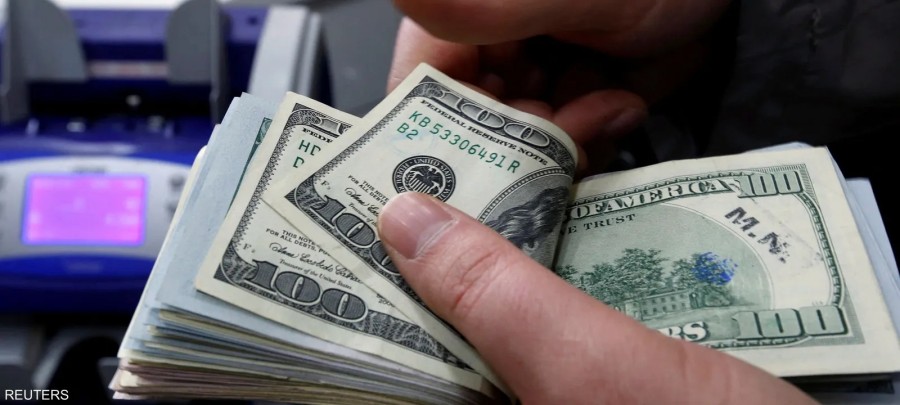


The dollar strengthened its gains during Tuesday's trading, amid renewed attacks in the Gulf region and a sell-off in global bond markets and rising concerns about inflation, while the Japanese yen fell again to below 160 yen against the dollar, despite increasing pressure on the Bank of Japan to raise interest rates.
The US currency's movements came after US President Donald Trump threatened to carry out more strikes against Iran, following the first direct exchange of attacks between the two sides in about a month, which pushed Brent crude futures above $91 a barrel and raised new fears of rising inflation and prompted investors to withdraw from bonds.
The yield on the 10-year US Treasury note hit its highest level since January 2025, while the yield on the 10-year Japanese government bond touched the 3% level for the first time in 30 years.
U.S. Treasury Secretary Scott Bisent said he expects the Japanese government and the Bank of Japan to take measures to support the strength of the yen. While markets widely expected the Bank of Japan to raise interest rates in September, Bisent's comments increased pressure on the bank to act and raised expectations of a faster pace of future rate hikes.
The yen is approaching levels that raise the risk of intervention.
But rising bond yields and comments from the US Treasury Secretary were not enough to stop the yen's decline, which traded at around 159.99 yen against the dollar after exceeding the 160 yen level for the third consecutive session, a level widely seen as increasing the risk of intervention by Japanese authorities in the currency market.
Joel Krueger, market strategist at Lmax Group in London, said investors are still focused on the unfavorable interest rate differential between Japan and the United States, along with doubts about how strongly the Bank of Japan will tighten monetary policy.
He added that markets appear unconvinced that verbal pressure alone will be able to reverse the yen's weakness, leaving the currency vulnerable to further declines unless the Bank of Japan provides a more clearly hawkish signal or Japanese authorities intervene directly.
A rare joint intervention by the United States and Japan at the end of July gave the fragile yen temporary support, pulling it back from a 40-year low of 163.99 yen to the dollar, but the currency has since given up most of the gains it made following that joint move.
Japanese Finance Minister Satsuki Katayama said she held a meeting with Bessent and they agreed that orderly moves in the yen are a critical element for the stability of global markets.
The dollar benefits from bets on interest rate hikes.
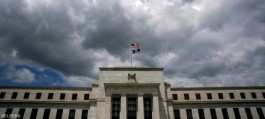
Aside from the yen, the dollar remained broadly supported, with traders increasing their bets on the Federal Reserve raising interest rates in September, following hawkish comments made by central bank chairman Kevin Warsh last week.
The euro fell 0.2% to $1.1589 ahead of the release of the eurozone inflation report, after gaining more than 1% during August.
The British pound was trading at around $1.3532, after rising by 0.5% over the past month.
The dollar index, which measures the performance of the US currency against six major currencies, rose 0.2% to 99.623, reflecting continued support for the dollar from changing expectations of US monetary policy.
Warsh reinforces bets on raising interest rates
In his first major speech at the Jackson Hole symposium, which brings together central bankers, Warsh said the Federal Reserve would have work to do if inflation did not show signs of slowing down.
However, many Wall Street investors are still unable to determine how the US central bank will respond to economic changes in the coming months, and whether statements and workshops represent an actual prelude to a series of interest rate hikes.
The CME Group’s Fidwatch tool showed that traders are currently pricing in a 65% probability of an interest rate hike later this month, compared with about 41% a week ago.
Mohit Kumar, chief European economist at Jefferies, said Warsh wanted to reinforce the idea that the Federal Reserve would fulfill its mandate to combat inflation, but clarified that this did not necessarily mean entering a continuous cycle of raising interest rates.
He added that the Federal Reserve's decisions will remain data-dependent, predicting that inflation readings will remain moderate in the coming months.
Crucial US data for the markets
This week, markets will be watching a wide range of US economic data, which are expected to influence expectations for the Federal Reserve's monetary policy path.
This data culminates on Friday with the release of the non-farm payrolls report, which is one of the most important indicators that investors rely on to assess the strength of the labor market and determine the likely path of interest rates.
In other currency markets, the Australian dollar traded at US$0.7152, while the New Zealand dollar reached around US$0.5900, after both currencies hit multi-month highs.
Currency and bond markets remain under pressure from a confluence of factors, including escalating geopolitical tensions, rising oil prices, renewed inflation fears, and shifting investor bets on interest rates. These factors make the movements of the dollar and yen in the coming period highly dependent on any new data or statements from central banks.