

































Michael Widmer, managing director and head of metals research at Bank of America Global Research, said gold could face short-term pressure due to declining expectations of a US interest rate cut, but noted that the precious metal still has a path to rise to $6,000 an ounce within 12 months.
Widmer, who spoke in an interview with Nour Amasha on the Markets Radar program, explained that the bank is still holding to its optimistic outlook for gold despite lowering its near-term price estimates, noting that the current pressures are related to the markets repricing inflation risks and the path of interest rates in the United States due to rising energy prices resulting from the Iran war.
Gold has been under significant pressure since the outbreak of war in the Middle East, which has led to a sharp rise in energy prices and a surge in investor demand for the dollar, reducing expectations of a US Federal Reserve interest rate cut this year. With no end to the conflict in sight, global bond markets have experienced a sell-off, further pressuring gold, which does not offer a yield.
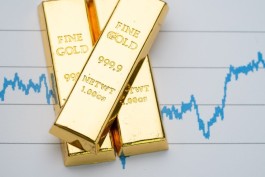
The price of gold fell in spot trading on Tuesday to $4,532 an ounce, compared to a record high of just under $5,600 reached in late January.
Is gold paying the price?
In response to a question about whether gold might play a role as a hedge against inflation or pay the price for not generating returns like bonds and the dollar, Widmer replied: We are in a mix of both, adding that the most important question is whether the shock from energy prices could become more deeply entrenched in the economy, especially if the shortage of oil supplies continues due to the disruption of shipping traffic in the Strait of Hormuz.
Regarding the bank's expectation that the price of gold will reach $6,000 an ounce, Widmer said: Yes, we maintain this view, adding that it is possible that it will be achieved within 12 months, driven by central bank purchases, a return of investor demand, and weak economic growth indicators, which may prompt the US Federal Reserve to ease monetary policy.
This view is consistent with recent estimates from Goldman Sachs, which predicted in a recent report that central banks will intensify their purchases of the yellow metal, which could help prices recover to $5,400 an ounce by the end of the year.
Goldman’s assessment of official sector activity followed an optimistic assessment from the World Gold Council, which estimated central bank purchases at 244 tons in the first quarter, up from 208 tons in the previous three months.