



































U.S. bond yields fell on Tuesday, as oil prices declined on hopes of easing tensions in the Middle East, after Iran hinted at the possibility of reopening the Strait of Hormuz if the United States eased its military pressure and lifted the blockade on Iranian ports.
The yield on 10-year US Treasury bonds fell to around 4.9%, after ending Monday's trading at levels close to 5%, as markets closely monitor developments in the Middle East conflict and its potential impact on inflation and the course of US monetary policy.
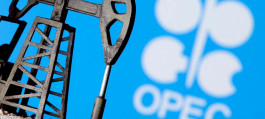
The decline in revenues coincided with a drop in oil prices after reports emerged that Iran might reopen the Strait of Hormuz within seven days if Washington took steps to ease military pressure and lift the blockade on its ports. These developments raised hopes of restoring some energy flows through one of the world's most important trade routes, pushing crude prices to their lowest level in nearly two weeks during Tuesday's trading.
US Treasury yields have been under upward pressure in recent weeks as oil prices have risen and concerns about energy-related inflation have intensified. On August 18, the yield on the benchmark 30-year Treasury note surpassed 5%, reaching its highest level since 2007, as oil prices climbed above $90 a barrel and inflation fears grew.
Data from the US Treasury Department also showed that the yield on 10-year bonds rose from 4.56% on September 10 to 4.96% on September 21, reflecting the upward trend in the US debt market during this period.
Markets are watching closely this week for developments in potential US-Iranian talks on the sidelines of the UN General Assembly meetings, as well as the anticipated summit between US President Donald Trump and his Chinese counterpart Xi Jinping, amid hopes that diplomatic developments will help ease geopolitical tensions and extend the trade truce between Washington and Beijing.