




































China’s position in the global gold market has become more broad and structurally deeper, with central bank purchases, household investments, institutional participation, and new trading infrastructure all contributing to increased demand, according to Jefferies analysts.
The People's Bank of China is a cornerstone of the country's gold strategy. Its declared reserves have risen from around 1,950 tons when purchases resumed in November 2022 to approximately 2,366 tons by July 2026.
China added approximately 225 tons in 2023, its largest annual increase ever. Purchases accelerated again in the second quarter of 2026, with an additional 33 tons, followed by roughly 20 tons in July, marking the strongest monthly purchase since October 2023.
Official figures may underestimate actual demand. Estimates based on physical consumption data, customs duties, investment flows, and exports from major refining centers indicate that official sector purchases totaled 161.60 tons since January 2024, compared to the 130.90 tons reported by the central bank. This implies unreported purchases of approximately 30 tons.
Demand has also extended beyond the central bank. Last year, Chinese regulators allowed 10 insurance companies to invest in gold, up to a maximum of 1% of their total assets. Expanding this policy could establish a recurring institutional source of demand.
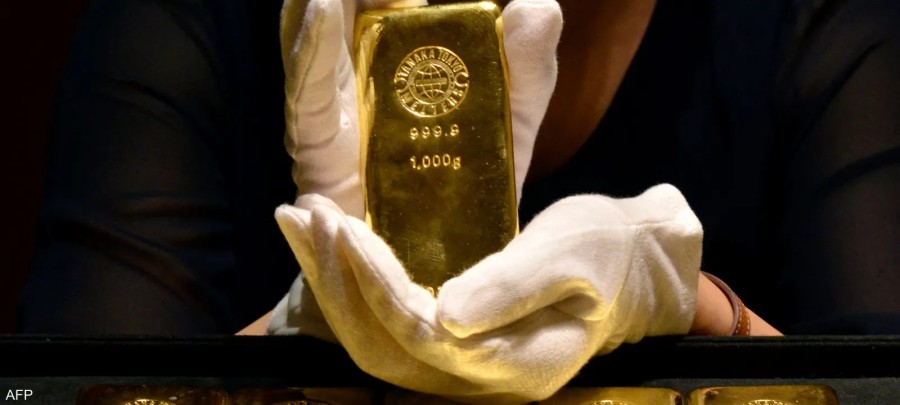
Household behavior also witnessed a notable shift, with traditional savings instruments losing appeal due to the weak real estate market, low interest rates on deposits, and volatile stock markets. Demand for jewelry declined, but demand for gold bars, coins, and exchange-traded funds (ETFs) remained strong.
The pace of inflows into Chinese gold exchange-traded funds (ETFs) has accelerated sharply since 2023, and the Huaan Yifu Gold ETF has become one of the country's largest ETFs in terms of assets under management.
China is also investing in the infrastructure needed to strengthen its role in the global bullion trade. Hong Kong is developing a new clearing and settlement system, a delivery link with the Shanghai Gold Exchange, and a network of offshore vaults.
It is planned that storage capacity in Hong Kong will increase from about 200 tons to more than 2,000 tons, reflecting an ambition that goes beyond simply buying bullion, extending to the storage, clearing, settlement and trading of gold on a much wider scale.